Restricted access — only staff members and admins can sign in.

A sudden nosebleed can be alarming, especially when it happens to a child. The good news is that most nosebleeds are not serious and can often be controlled with simple first-aid measures. However, frequent, prolonged or heavy bleeding should be evaluated by an ENT specialist.
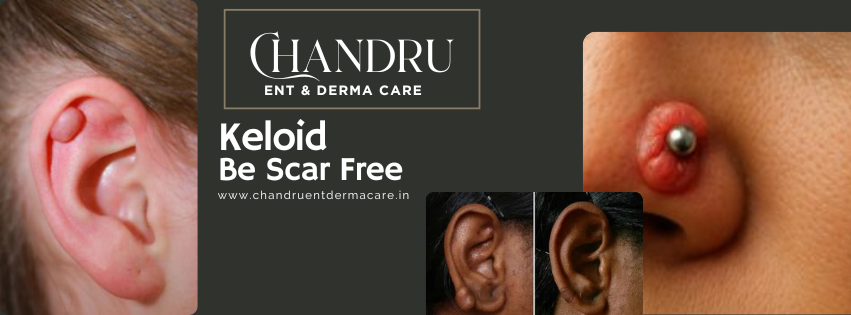
Raised, stubborn and sometimes uncomfortable—keloids are more than just ordinary scars. A small cut, piercing, acne spot or surgical wound may seem harmless while healing. But in some people, the skin produces too much scar tissue, resulting in a firm, raised growth called a keloid. Unlike a normal scar, a keloid can extend beyond the original area of injury and may continue to grow over time. It can also cause itching, tenderness, pain or a tight sensation.
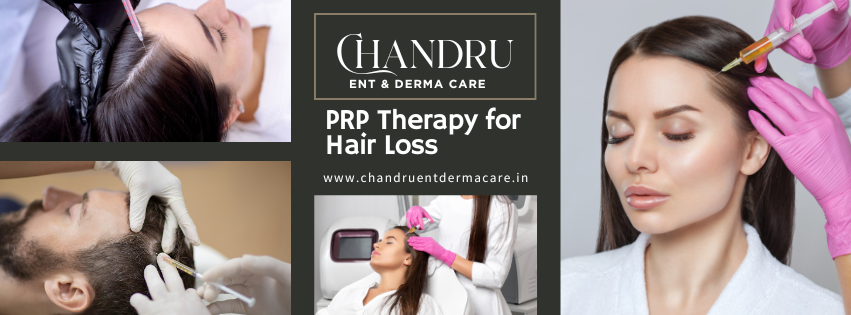
Not all hair loss needs to end in a hair transplant. For people noticing thinning hair, a widening parting or early-stage pattern hair loss, Platelet-Rich Plasma (PRP) therapy may be one of the treatment options considered after a proper dermatological evaluation. PRP is prepared from a small sample of the patient's own blood. After processing, the platelet-rich portion is separated and carefully administered into selected areas of the scalp. Platelets contain growth-related proteins and signalling molecules that may support the local environment around hair follicles.
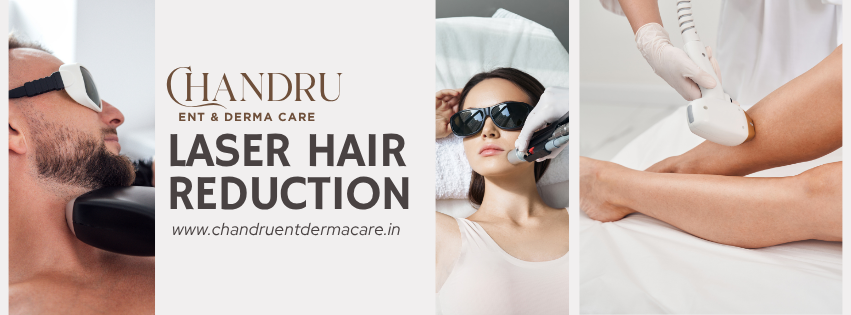
Smooth skin is great. Safe skin is better. For many Indians, unwanted hair can be accompanied by frequent shaving, waxing, razor bumps and ingrown hairs. Laser hair reduction offers a scientifically established way to reduce unwanted hair growth over time by targeting the hair follicle with controlled light energy. But Indian skin needs careful laser selection and personalized settings. The same treatment parameters cannot be safely applied to every patient.
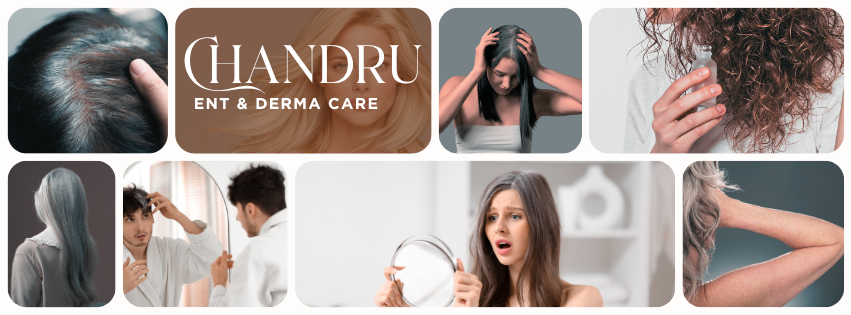
"I'm only 25... why am I already getting grey hair?" This is one of the most common concerns we hear in our dermatology clinic. While most people associate grey hair with ageing, seeing grey strands in your 20s or early 30s can be unexpected—and understandably worrying. The truth is, premature grey hair isn't always caused by age. It may simply run in the family, but it can also be linked to nutritional deficiencies, hormonal imbalances, lifestyle habits, or certain medical conditions. Before trying home remedies or expensive hair products, it's important to understand what's causing your hair to lose its natural colour.
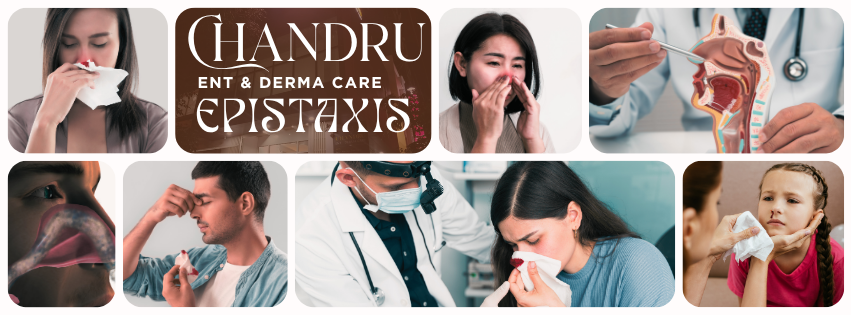
"It's just a nosebleed"—that's what most people think until it starts happening again and again. A nosebleed, medically known as epistaxis, is one of the most common reasons people visit an ENT clinic. While most episodes are harmless and stop on their own, frequent or prolonged nosebleeds may be your body's way of telling you that something isn't right. Understanding the cause is the first step towards the right treatment.
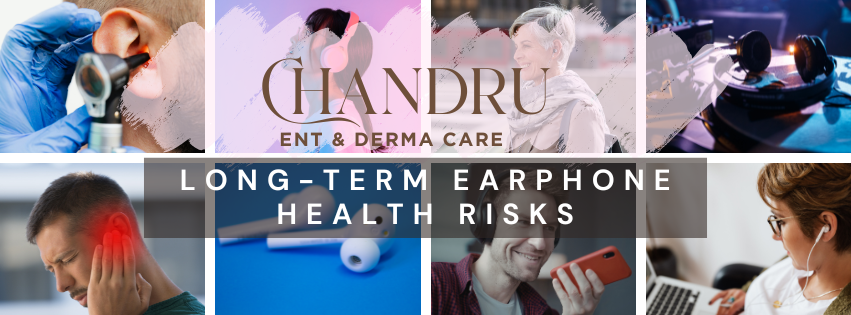
In today's digital world, earphones and wireless earbuds have become an essential part of daily life. Whether attending virtual meetings, listening to music, watching videos, or taking calls, many individuals wear these devices for several hours each day. While they offer convenience and mobility, prolonged and improper use can have significant effects on ear health and overall well-being.
A Dermatologist's Perspective on Social Media Beauty Trends In an era where a 30-second reel can influence millions, skincare advice has become more accessible than ever. Every day, social media introduces a new "miracle" remedy, a trending ingredient, or a beauty hack promising flawless, glowing skin. While some of these trends may appear convincing, not everything that goes viral is safe, effective, or backed by science. As a dermatologist, I often meet patients who arrive with irritated, damaged, or sensitized skin—not because of a medical condition, but because they followed skincare advice from social media without understanding the risks. The reality is simple: healthy skin is built on science, not trends.
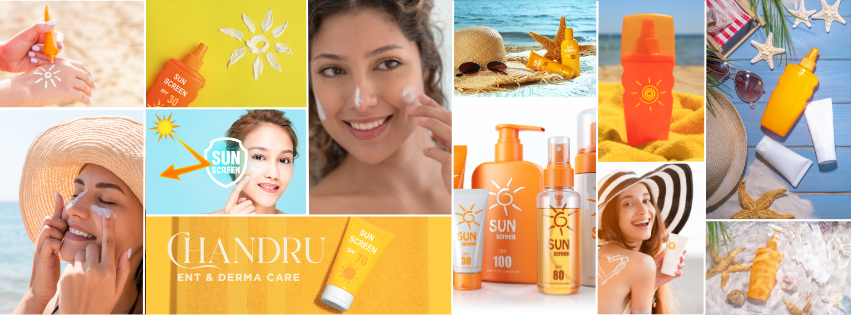
There is one skincare product dermatologists trust more than serums, facials, or expensive treatments — and it has nothing to do with beauty trends. It is sunscreen. On World Sunscreen Day, it is worth asking a simple question: If we protect our phones with covers, our eyes with sunglasses, and our homes with roofs, why do we forget to protect our skin — the body’s largest organ? The truth is, sun damage does not happen overnight. It builds silently over the years through daily exposure while driving, walking outdoors, sitting near windows, or even running quick errands. Most people only notice the effects later in the form of tanning, pigmentation, wrinkles, uneven skin tone, and premature aging. By then, the damage has already begun. That is why sunscreen is not just skincare. It is preventive healthcare.

Healthy hair is not the result of viral internet remedies or expensive products alone. According to dermatologists and clinical nutrition experts, strong and healthy hair depends on consistent scalp care, balanced nutrition, healthy lifestyle habits, and scientifically supported routines. Your hair often reflects your overall health. Factors such as stress, sleep, hormones, diet, hydration, and scalp condition all influence hair growth, thickness, and strength. Understanding how hair grows — and how to care for it properly — can help prevent common concerns such as hair fall, dandruff, dryness, breakage, and thinning.

Healthy skin depends less on lots of products and more on consistent, sensible habits. Lifestyle factors — diet, sleep, stress, and daily care — all show up on your skin. You don’t need a complicated 10-step regimen. A concise, evidence-based routine followed every day makes the biggest difference for people of all ages and skin types.
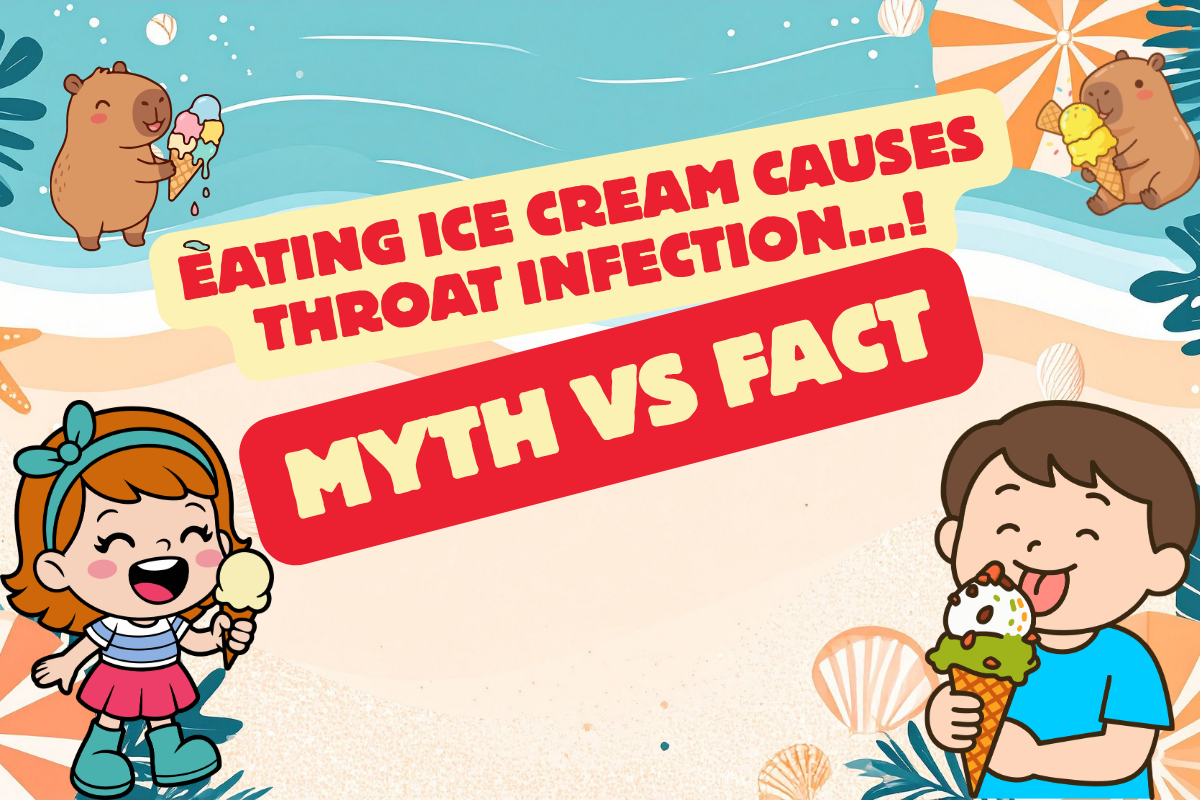
Few food debates are as common as this one: “Don’t eat ice cream when you have a sore throat — it will make it worse!” Many of us grew up hearing this warning from parents and grandparents. But is it actually true? Or is it simply one of those health myths passed down over generations? The answer is more interesting than a simple yes or no.
 ENT Treatment Skin Care Hair Treatment Cosmetology Laser Treatments Facial Surgery
ENT Treatment Skin Care Hair Treatment Cosmetology Laser Treatments Facial Surgery
ENT Treatment Skin Care Hair Treatment Cosmetology Laser Treatments Facial Surgery
ENT Treatment Skin Care Hair Treatment Cosmetology Laser Treatments Facial Surgery
ENT Treatment Skin Care Hair Treatment Cosmetology Laser Treatments Facial Surgery
ENT Treatment Skin Care Hair Treatment Cosmetology Laser Treatments Facial Surgery
ENT Treatment Skin Care Hair Treatment Cosmetology Laser Treatments Facial Surgery