What Exactly Is a Keloid?
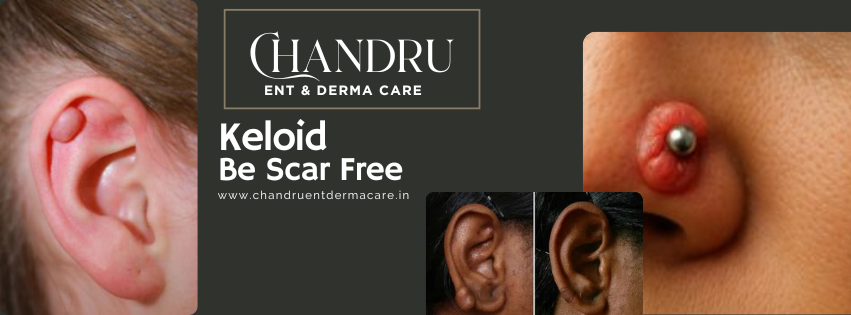
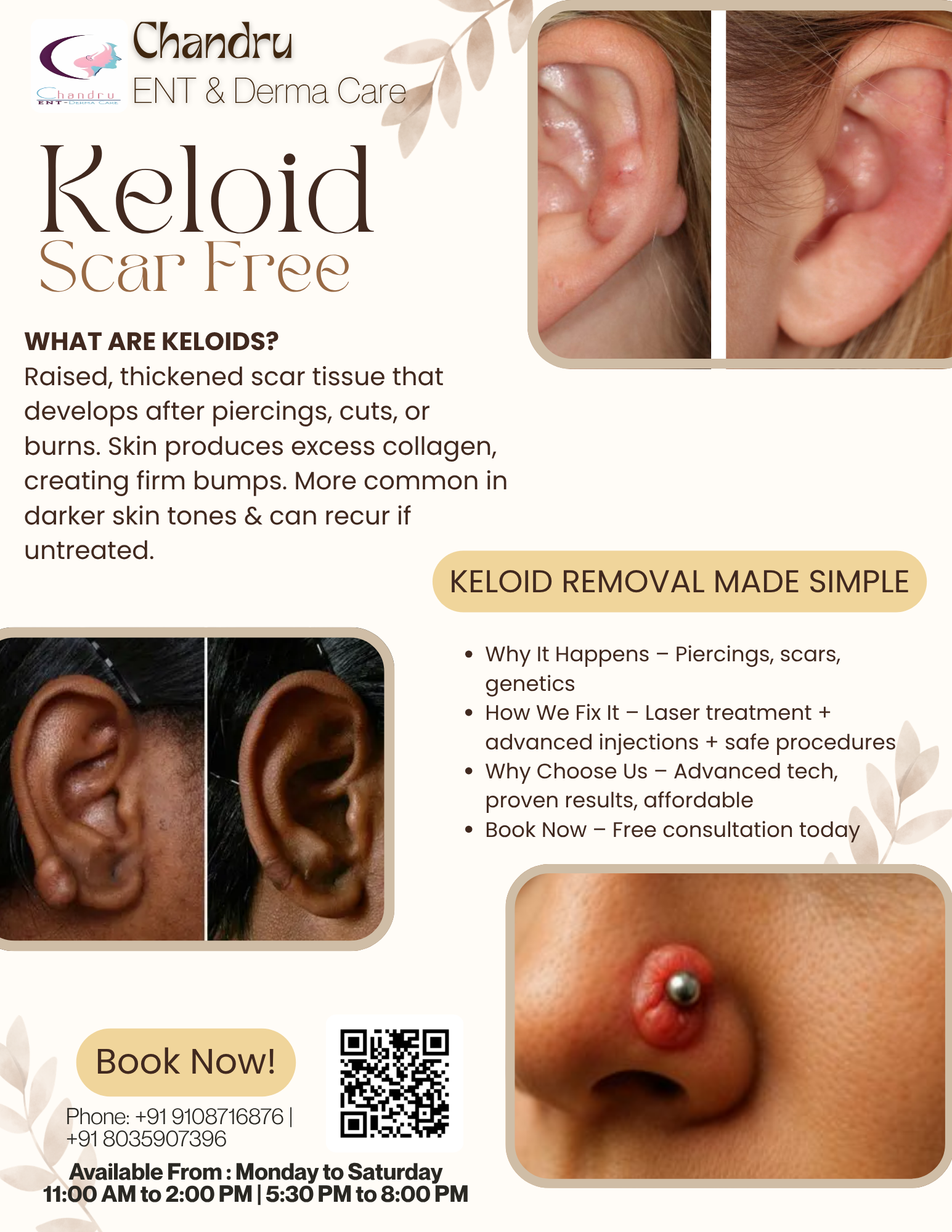
A keloid is a type of abnormal raised scar caused by excessive collagen and connective-tissue formation during the healing process.
It can develop after:
- 👂 Ear or body piercings
- 🩹 Cuts and accidental injuries
- 🏥 Surgical procedures
- 💉 Vaccination or other injections
- 🧴 Acne or inflammatory skin conditions
- 🔥 Burns
Keloids are commonly seen on areas such as the earlobes, chest, shoulders, upper arms and neck.
Keloid vs. Ordinary Scar
A normal scar generally stays within the boundaries of the original injury.
A keloid can grow beyond the original wound, become thicker and remain raised rather than gradually flattening.
Why Are Keloids More Common in Indian Skin?
Skin type matters when it comes to abnormal scar formation.
Keloids are seen more frequently in people with darker skin types, including many individuals of Asian ancestry. Genetic tendency and a personal or family history of keloids can also increase the likelihood of developing them.
This doesn't mean every person with Indian skin will develop a keloid. Individual genetics, wound healing and the location of the injury all play a role.
For people prone to pigmentation, treatment also needs to consider the possibility of post-inflammatory pigmentation or lighter areas after certain procedures. This is particularly important when treating skin of colour.
Can a Keloid Go Away on Its Own?
Usually, no.
Unlike some hypertrophic scars, keloids generally do not naturally flatten away with time. They may remain stable or continue growing slowly.
That is why early assessment is useful when a scar starts becoming:
Raised • Firm • Itchy • Painful • Increasing in size
How Are Keloids Treated?
There isn't one treatment that works for every keloid. A dermatologist may choose a treatment based on the size, location, age of the keloid, symptoms, previous treatments and the individual's skin type. Combination treatment is often considered because keloids have a tendency to recur.
Depending on the case, treatment may include:
💉 Intralesional Medication
Certain medications, including corticosteroids, can be injected directly into the keloid to help reduce its thickness, firmness and symptoms.
Treatment often requires a series of sessions rather than a single procedure. In darker skin, the possibility of temporary or persistent pigment changes should also be considered.
🔬 Laser-Based Treatment
Selected laser treatments may help reduce the height, redness or pigmentation of a keloid and are often used alongside other treatments rather than as a standalone solution.
❄️ Cryotherapy
Freezing techniques may be useful for selected keloids, particularly smaller lesions. However, pigment changes can be a concern in darker skin, so treatment should be carefully selected by a qualified dermatologist.
✂️ Surgical Removal
Surgical excision can remove a bulky keloid, but surgery alone can have a significant risk of recurrence. For this reason, additional treatment may be recommended after or around the time of surgery to reduce the chance of the keloid returning.
🩹 Silicone & Pressure Therapy
Medical-grade silicone sheets or gels and pressure therapy may be used in appropriate cases, particularly as part of prevention or after treatment. Consistent use is important when these options are recommended.
Keloid Removal Is Not Just About Removing the Bump
The goal of treatment isn't simply:
“Remove the scar.”
A good treatment plan considers:
Reduce the raised scar → Control symptoms → Improve appearance → Minimise recurrence → Protect the surrounding skin
And because keloids can come back, follow-up care is an important part of treatment.
What If You Have a New Piercing?
If you have a history of keloids, take new piercings seriously.
A small, firm or progressively enlarging bump around a piercing should not automatically be assumed to be a keloid—other conditions can look similar. Early evaluation can help determine the cause and appropriate treatment.
People who are prone to keloids should also avoid unnecessary skin trauma whenever possible.
Don't Let a Small Scar Become a Growing Concern
A keloid isn't simply a cosmetic issue. It can become itchy, painful, noticeable or progressively larger.
If you notice a scar becoming thicker or extending beyond the original wound, getting it assessed early can help determine whether it is a keloid, hypertrophic scar or another skin condition.
At Chandru ENT & Derma Care
We provide individualised evaluation and treatment planning for keloid scars, with attention to the specific characteristics of your scar and your skin type.
Because every scar is different—and every skin needs the right approach.
📍 Chandru ENT & Derma Care
Keloid Care • Scar Management • Dermatology
Book a consultation to have your scar evaluated by a dermatologist.
Medical Disclaimer: This article is for general educational purposes and does not replace an in-person medical evaluation. Keloid treatment should be selected by a qualified dermatologist based on the individual patient. Results vary, and recurrence can occur.
 ENT Treatment Skin Care Hair Treatment Cosmetology Laser Treatments Facial Surgery
Leave a Comment