What Is PDRN?
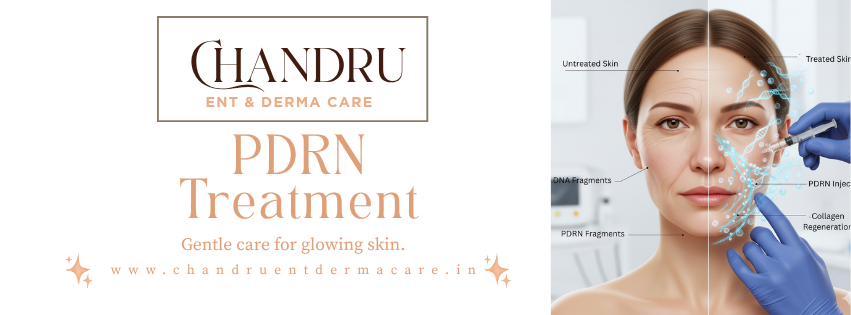
PDRN stands for Polydeoxyribonucleotide — a substance made up of DNA fragments, typically derived from purified salmon sources.
In skin treatments, PDRN is used to support the skin's natural repair and regeneration processes. Rather than simply hydrating or filling, it is intended to work at a cellular level, helping the skin recover and renew more effectively.
It is important to understand that PDRN is a treatment that supports the skin's own biology — it is not an instant fix, and results develop gradually over time.
How Does PDRN Work?
The appeal of PDRN lies in how it supports the skin from within.
- Cellular repair support — PDRN is intended to encourage the skin's natural regeneration processes
- Collagen support — It may help support natural collagen activity, which plays a role in skin firmness
- Calming effect — It is often associated with helping to reduce redness and inflammation
- Gradual improvement — Changes typically appear over a series of sessions rather than immediately
Because the treatment works with the skin's own biology, results tend to be progressive and natural-looking rather than dramatic or instant.
🌿 What PDRN May Help With
Depending on individual skin assessment, PDRN treatment is often considered for:
- Dull, tired-looking skin
- Uneven skin texture
- Redness and sensitivity
- Early signs of ageing linked to skin quality
- Scarring, as part of a broader treatment plan
- Loss of skin elasticity and radiance
Suitability is always decided after a proper consultation. Not everyone is a candidate, and a dermatologist will assess your skin and goals first.
💆 What Makes PDRN Different
Unlike treatments that focus purely on hydration or volume, PDRN is centred on repair and renewal.
- It is not a filler and does not reshape the face
- It focuses on skin quality and recovery rather than structure
- It is intended to support the skin's natural healing over time
- It is usually recommended as a course of sessions, not a one-time procedure
Think of it as supporting the skin's own ability to repair itself, rather than masking concerns on the surface.
🩺 What to Expect During the Procedure
Understanding the process helps you feel prepared and at ease.
- Consultation first — Your skin, concerns and medical history are assessed before anything is planned
- Preparation — The skin is cleansed, and a numbing cream may be applied for comfort
- Treatment — PDRN is delivered into the skin using fine micro-injections
- Short sessions — Each session is usually completed within a reasonable time, depending on the area
- Minimal downtime — Many people resume daily activities soon after, though this varies
Mild redness, small bumps or slight swelling at the treated areas can occur and usually settle on their own within a short period.
🚫 Setting Realistic Expectations
To avoid disappointment, it helps to understand what PDRN does — and does not — do.
PDRN treatment does not:
❌ Work as an instant, one-session transformation
❌ Add volume or reshape the face like fillers
❌ Stop or reverse ageing
❌ Replace sun protection or a good skincare routine
❌ Produce identical results for everyone
❌ Offer permanent results — maintenance sessions are usually needed
It is best understood as a treatment that supports skin repair and quality over time, as part of an overall skincare approach.
⚠️ Safety and Who Should Be Cautious
PDRN treatment should only be performed by a qualified medical professional in a clinical setting, using appropriate, approved products.
It may not be advisable for people who:
🔴 Are pregnant or breastfeeding
🔴 Have an active skin infection or inflammation in the treatment area
🔴 Have a known allergy to the treatment or its source (for example, fish/salmon-derived ingredients)
🔴 Have certain medical conditions or are on specific medications
🔴 Have a history of adverse reactions to similar treatments
This is exactly why a consultation and medical assessment always come first. Your dermatologist will decide whether PDRN is suitable for you.
🌟 Supporting Your Results
Good aftercare helps you get the most from your treatment and supports healthy skin long term.
General advice often includes:
- Keeping the skin clean and gently hydrated
- Using sun protection regularly
- Avoiding harsh products or treatments immediately afterward
- Completing the recommended course of sessions
- Following your dermatologist's specific instructions
Healthy skin habits remain the foundation — treatments like PDRN work best as support, not as a substitute for sensible skincare.
💆 Thoughtful Skin Care at Chandru ENT & Derma Care
At Chandru ENT & Derma Care, our approach begins with understanding your skin — its concerns, its needs and what is realistically achievable.
Rather than a one-size-fits-all approach, we focus on careful assessment, appropriate treatment planning and honest guidance about what to expect from any treatment, including PDRN.
Interested in PDRN? Start With a Consultation.
The right first step is a proper skin assessment with a qualified dermatologist, who can advise whether PDRN — or another approach — suits your skin and goals.
Chandru ENT & Derma Care
Trusted Care • Qualified Doctors • Patient-Focused Treatment
Medical Disclaimer: This article is intended for general health and skincare education only and does not constitute medical advice, diagnosis or treatment. PDRN is a medical procedure whose suitability, safety and results depend on individual factors. Results vary from person to person and are not guaranteed. Always consult a qualified, registered dermatologist for personalised advice before considering any cosmetic treatment.
 ENT Treatment Skin Care Hair Treatment Cosmetology Laser Treatments Facial Surgery
Leave a Comment